[58] Good quality dairy products with live cultures (e.g., kefir) are often good sources of probiotic bacteria capable of degrading mold
Experience the sleek elegance of our Modern Wellness Retreat Sauna
The scientific rationale for a nutritional approach Several studies have revealed in patients with vitiligo specific nutritional and biological characteristics that justify nutritional support: Major oxidative stress in melanocytes: justification for antioxidants (vitamin C, E, glutathione, selenium) More frequent deficiencies in vitamin D, vitamin B12, folate and zinc in several studies Melanin synthesis dependent on precursors (tyrosine, phenylalanine) and enzymatic cofactors (copper, zinc) Documented action of certain plants (Ginkgo biloba, Polypodium leucotomos) in randomized clinical trials What the nutritional approach does not do Let's be clear and honest: It does not cure vitiligo It does not replace medical treatments It does not work for all patients Results are not guaranteed What it can do Support the physiological mechanisms of repigmentation Address nutritional deficiencies commonly found Reduce oxidative stress documented in patients Enhance the efficacy of phototherapy according to several studies Fit into a holistic approach with healthy lifestyle habits and medical follow-up The nutritional approach is therefore positioned as a complementary tool , never central, but which can have its place in a comprehensive management plan

The panel backed six of them, including two forms of BPC-157 as well as KPV, TB-500, MOTS-c, epitalon and Semax, with margins running from 7-4 to 8-6 and one member abstaining on most votes
Mar 04, 2021 By Li Zhigang, Xu Qi Angel Glutathione-rich yeast extract, obtained by enriching glutathione in yeast cells through bioengineering, is naturally rich in glutathione up to 10%
On the day of sacrifice and after overnight fasting, rats were anesthetized with pentobarbitone, and electrocardiograms were recorded











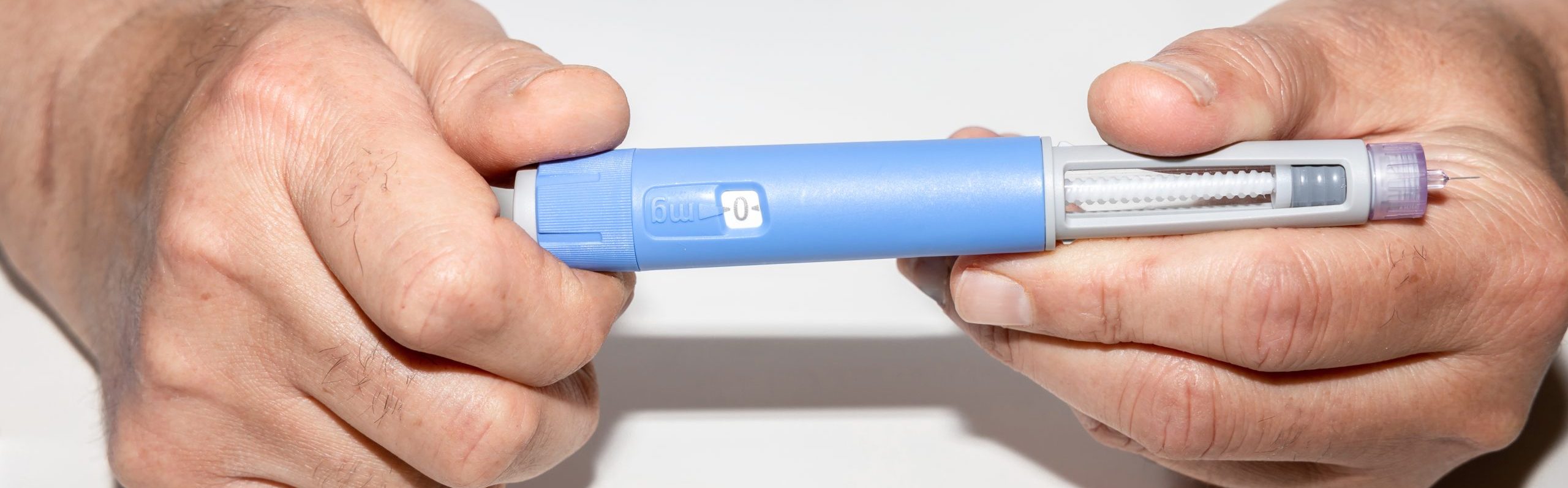

![Ozempic Lawsuit [July 2026 Update]](https://www.torhoermanlaw.com/wp-content/uploads/2024/05/Ozempic-Lawsuit-1.jpg)