OCR at the container depot: efficiency and, above all, damage control
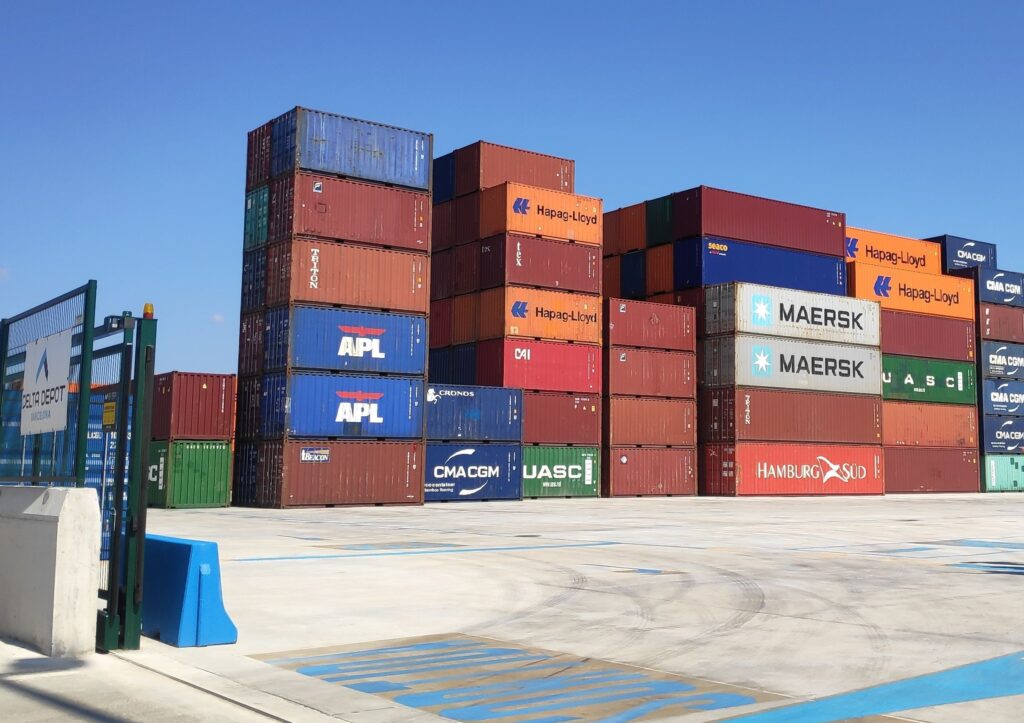
A container depot — the yard where containers are stored, inspected, washed and repaired between voyages — lives on two things: fast inventory turnover and the quality of the container condition it delivers to the customer. The application of OCR in this environment focuses less on the vessel flow and more on the fine-grained traceability of each container during its stay at the depot.
Main applications
Fast gate identification
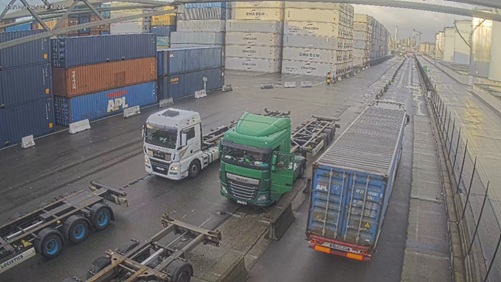
Reading of the BIC code and the tractor’s license plate on entry and exit, with automatic opening of the barrier against the depot management system.
Documented damage control
Timestamped images of all sides of the container at every pass through the gate. The depot can prove the container’s condition at the exact moment custody changes hands
Automatic damage detection
The vision modules flag dents, cuts, rust or deformations so that the inspection team can prioritize the containers that genuinely require intervention
Inventory visibility
Every movement is recorded, which reduces physical searches in the yard and idle time
Why damage control is the flagship use case at a depot
At a depot, the container is both an asset and a liability: the depot’s revenue and its legal exposure depend on how the container is received, assessed, and repaired. The following three factors explain why damage control is the use case where OCR delivers the most value.
Repair as a business and as a legal risk
The depot acts on behalf of the shipping line: it inspects the container on receipt, repairs it if necessary, and certifies its condition before returning it to circulation. Shipping lines contract depots in each country of origin to ensure that containers are in usable condition; it is the depot’s responsibility to verify that the container is fit before releasing it.
When there is damage, the central question is always who caused it and at what moment. The industry-standard mechanism is the EIR (Equipment Interchange Receipt): the EIR records the container’s condition at each change of custody, ensuring that any damage is correctly attributed to the responsible party.
The complexity of the repair service
A depot is not just storage: it runs a workshop with multiple levels of intervention whose cost varies enormously. Repairs must comply with international standards — IICL, CIC, CSC, ISO —: the estimation protocol must conform to these standards, otherwise the container may become unfit for international transport. In addition, the estimate helps the owner decide whether it is economical to repair the container or to write it off (CTL, Constructive Total Loss).
OCR automation directly changes the economics of the workshop: more detections equal more repaired containers — and more revenue —; automatic prioritization ensures that repair teams focus on what really matters.
Training people to detect damage is difficult and costly
Manual inspections are structurally limited by their dependence on the human factor, their susceptibility to error and their slow execution; as global trade volumes grow, these shortcomings generate operational delays, reduce throughput and overload resources. The problem is twofold: inspectors must walk around each container, often under tight deadlines and in adverse weather conditions, which slows down yard operations and introduces delays in loading and unloading cycles.
Inconsistency between inspectors is the central problem. Automated systems standardize inspections and minimize human subjectivity, something that training people does not guarantee. Computer-vision models can detect a wide range of damage types — dents, cracks, rust — including subtle defects that human inspectors frequently miss.
A depot that processes 100 containers a day generates more than 600 inspection images daily. At that scale, automatic detection does not replace the human inspector but directs them to where they should look — leaving the final judgment in the person’s hands — while generating the auditable record that no manual process can produce consistently.